

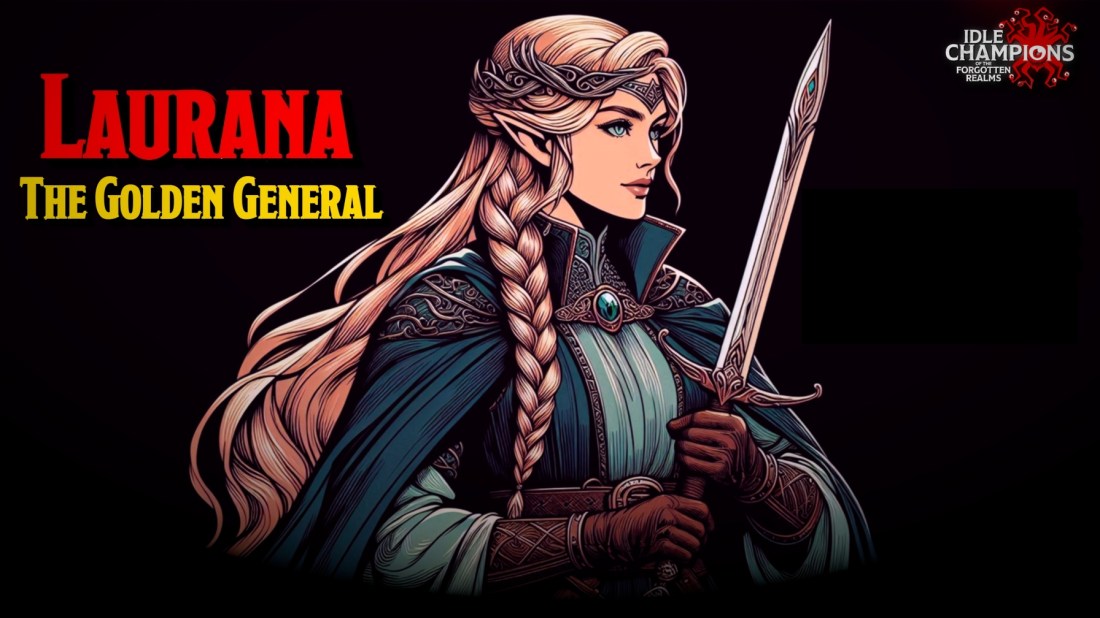
Laurana’s story begins in Qualinost, within halls shaped by elven craft, old pride, and expectations older than she was. Her life was never meant to be uncertain. It was meant to be graceful, measured, and quietly obedient to the duties of elven nobility. Her family imagined diplomacy, elegance, and a future arranged long before she had any say in it.
But Laurana was never destined to remain only a daughter of Qualinost.
Beyond the vallenwood, the world was already changing. War was coming – not as a distant rumour, but as a force that would tear through kingdoms, alliances, and every quiet certainty she had been raised to trust. The War of the Dragonlance would demand far more than grace. It would demand leadership, sacrifice, and the courage to become someone no one – perhaps not even Laurana herself – had ever expected.
Her first real confrontation with danger came at Pax Tharkas. Smoke clung to the ceiling. The air tasted like metal. A child grabbed her sleeve and refused to let go. Laurana guided him through the dark while screams echoed behind them. She did not feel brave. She felt responsible.
War does not wait for readiness. It drags people forward whether they understand the cost or not. Laurana moved through those early battles with a clarity she did not recognize as her own. She steadied hands that trembled too much to hold a torch. She whispered instructions to people who had never seen blood before. She watched death up close and understood that the life she once knew could not return.
The turning point arrived without ceremony. A group of soldiers waited for orders. No one stepped forward. Laurana filled the silence. She spoke because the alternative was collapse. The soldiers listened. They followed. Leadership settled on her shoulders like a weight she could not set down again.
She made mistakes. One of them cost lives. During a retreat near the Vingaard River, she misread the enemy’s movement and sent a scouting party into a narrow pass. They never returned. The report reached her at dawn. She folded the parchment once, placed it on the table, and continued issuing orders.
Her capture by Kitiara revealed the depth of her vulnerability. Kitiara understood ambition. She understood desire. She understood the power of fear. Laurana faced a woman who moved through the world with a confidence sharpened by experience. Kitiara spoke to her with a calm that felt like a blade laid flat against the skin. Laurana realized, in a single quiet moment, that Kitiara saw her more clearly than she saw herself. And there was nothing she could do to stop it.
Her escape did not restore her confidence. It reshaped it. Survival demanded attention. And she paid it. She returned to her allies with a new sense of purpose, though the cost of that clarity lingered beneath the surface.
The defense of Palanthas stands as the moment where Laurana became the Golden General. Dragons circled the skies. Armies gathered at the gates. Panic threatened to spread through the ranks. Laurana stepped into the chaos with a steady voice. She positioned troops where they could hold the line. She recognized weaknesses in the enemy’s formation and acted before hesitation could take root.
The battle was brutal. The air filled with the smell of burning wood and collapsing stone. A soldier stumbled toward her with a wound across his chest. He asked if they would survive. She told him yes. He died minutes later. She did not take the word back.
Victory came at a cost. Laurana felt each loss like a stone added to the burden she carried. Every decision shaped the fate of people who looked to her for guidance. She hid her grief behind a calm exterior. She spoke with confidence even when uncertainty gnawed at her.
Her relationship with Tanis changed as the war progressed. The certainty she once felt faded. She saw him through new eyes. She recognized the distance between them. She understood that the person she had been when she left Qualinost no longer existed. The love she carried did not vanish, but it changed. It became quieter. More complicated. Less certain. Growth creates space where closeness once lived.
There were nights when she felt the weight of her transformation more sharply than any wound. After a long march, she realized she no longer remembered the names of the fallen. Only the positions they held. She sat alone by the fire and tried to recall a single face. None came.
The war shaped her identity in ways she could not have predicted. She became a symbol of resilience. A figure who represented hope in the darkest moments. Yet the cost of that transformation remained hidden from most. People saw the Golden General. They did not see the young woman who lay awake at night replaying decisions she could not undo. They did not see the quiet moments where she questioned whether she had become someone she no longer recognized.
Laurana’s tragedy lies not in defeat, but in the price of victory. She gained strength and lost innocence. She gained authority and lost certainty. She gained respect and lost the simplicity of the life she once imagined. She became the Golden General because the world demanded it, not because she sought it.
When the war ended, she did not return to the person she had been. That version of her existed only in memory. She walked through the aftermath with the calm of someone who had seen too much to be comforted by celebration. People thanked her. She nodded. The distance between them remained.
Laurana Kanan endures because her story is not one of triumph alone. It is a story of transformation, sacrifice, and the quiet tragedy of becoming someone the world needs, even when it costs more than anyone realizes. She won battles that shaped the age. And lost the version of herself she once believed was real.
Who is Laurana? Why does she carry that title? And what did it cost her to earn it?
Let’s dive into her Deeplore.
Laurana’s story begins in Qualinost, within halls shaped by elven craft, old pride, and expectations older than she was. Her life was never meant to be uncertain. It was meant to be graceful, measured, and quietly obedient to the duties of elven nobility. Her family imagined diplomacy, elegance, and a future arranged long before she had any say in it.
But Laurana was never destined to remain only a daughter of Qualinost.
Beyond the vallenwood, the world was already changing. War was coming – not as a distant rumour, but as a force that would tear through kingdoms, alliances, and every quiet certainty she had been raised to trust. The War of the Dragonlance would demand far more than grace. It would demand leadership, sacrifice, and the courage to become someone no one – perhaps not even Laurana herself – had ever expected.
Her first real confrontation with danger came at Pax Tharkas. Smoke clung to the ceiling. The air tasted like metal. A child grabbed her sleeve and refused to let go. Laurana guided him through the dark while screams echoed behind them. She did not feel brave. She felt responsible.
War does not wait for readiness. It drags people forward whether they understand the cost or not. Laurana moved through those early battles with a clarity she did not recognize as her own. She steadied hands that trembled too much to hold a torch. She whispered instructions to people who had never seen blood before. She watched death up close and understood that the life she once knew could not return.
The turning point arrived without ceremony. A group of soldiers waited for orders. No one stepped forward. Laurana filled the silence. She spoke because the alternative was collapse. The soldiers listened. They followed. Leadership settled on her shoulders like a weight she could not set down again.
She made mistakes. One of them cost lives. During a retreat near the Vingaard River, she misread the enemy’s movement and sent a scouting party into a narrow pass. They never returned. The report reached her at dawn. She folded the parchment once, placed it on the table, and continued issuing orders.
Her capture by Kitiara revealed the depth of her vulnerability. Kitiara understood ambition. She understood desire. She understood the power of fear. Laurana faced a woman who moved through the world with a confidence sharpened by experience. Kitiara spoke to her with a calm that felt like a blade laid flat against the skin. Laurana realized, in a single quiet moment, that Kitiara saw her more clearly than she saw herself. And there was nothing she could do to stop it.
Her escape did not restore her confidence. It reshaped it. Survival demanded attention. And she paid it. She returned to her allies with a new sense of purpose, though the cost of that clarity lingered beneath the surface.
The defense of Palanthas stands as the moment where Laurana became the Golden General. Dragons circled the skies. Armies gathered at the gates. Panic threatened to spread through the ranks. Laurana stepped into the chaos with a steady voice. She positioned troops where they could hold the line. She recognized weaknesses in the enemy’s formation and acted before hesitation could take root.
The battle was brutal. The air filled with the smell of burning wood and collapsing stone. A soldier stumbled toward her with a wound across his chest. He asked if they would survive. She told him yes. He died minutes later. She did not take the word back.
Victory came at a cost. Laurana felt each loss like a stone added to the burden she carried. Every decision shaped the fate of people who looked to her for guidance. She hid her grief behind a calm exterior. She spoke with confidence even when uncertainty gnawed at her.
Her relationship with Tanis changed as the war progressed. The certainty she once felt faded. She saw him through new eyes. She recognized the distance between them. She understood that the person she had been when she left Qualinost no longer existed. The love she carried did not vanish, but it changed. It became quieter. More complicated. Less certain. Growth creates space where closeness once lived.
There were nights when she felt the weight of her transformation more sharply than any wound. After a long march, she realized she no longer remembered the names of the fallen. Only the positions they held. She sat alone by the fire and tried to recall a single face. None came.
The war shaped her identity in ways she could not have predicted. She became a symbol of resilience. A figure who represented hope in the darkest moments. Yet the cost of that transformation remained hidden from most. People saw the Golden General. They did not see the young woman who lay awake at night replaying decisions she could not undo. They did not see the quiet moments where she questioned whether she had become someone she no longer recognized.
Laurana’s tragedy lies not in defeat, but in the price of victory. She gained strength and lost innocence. She gained authority and lost certainty. She gained respect and lost the simplicity of the life she once imagined. She became the Golden General because the world demanded it, not because she sought it.
When the war ended, she did not return to the person she had been. That version of her existed only in memory. She walked through the aftermath with the calm of someone who had seen too much to be comforted by celebration. People thanked her. She nodded. The distance between them remained.
Laurana Kanan endures because her story is not one of triumph alone. It is a story of transformation, sacrifice, and the quiet tragedy of becoming someone the world needs, even when it costs more than anyone realizes. She won battles that shaped the age. And lost the version of herself she once believed was real.

 The Dystopian Inn